
Conditions We Treat
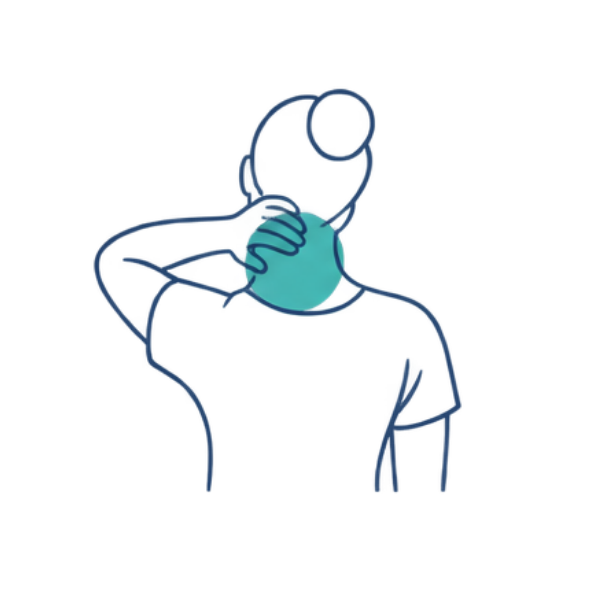
Neck
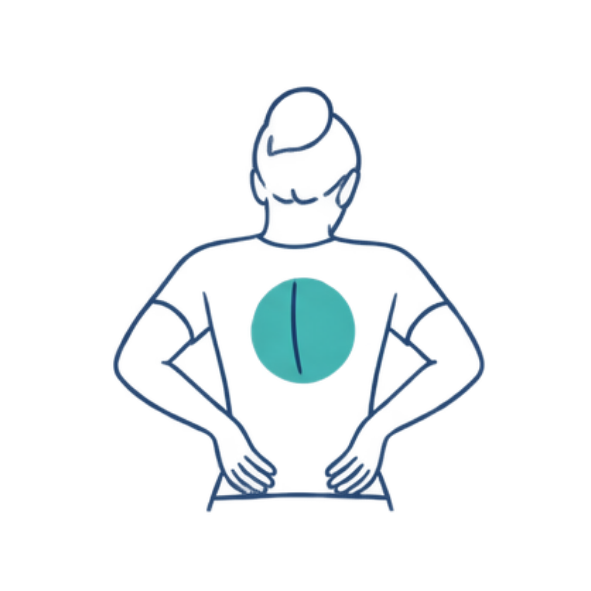
Thoracic Spine
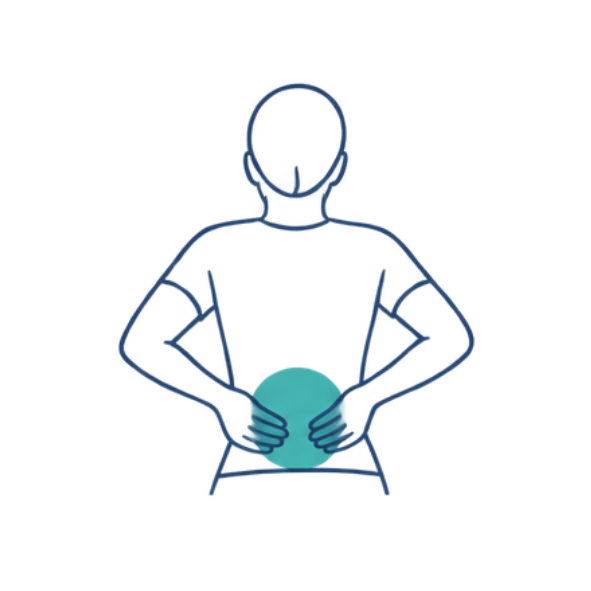
Lumbar Spine
Shoulder
Elbow
Hip
Pelvis
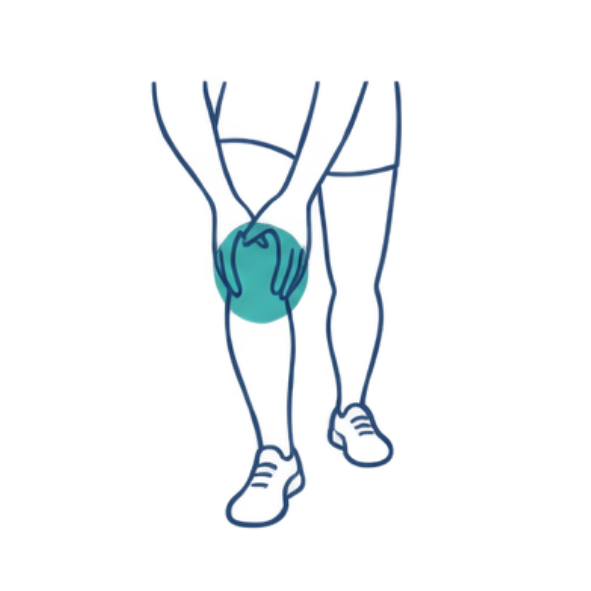
Knee
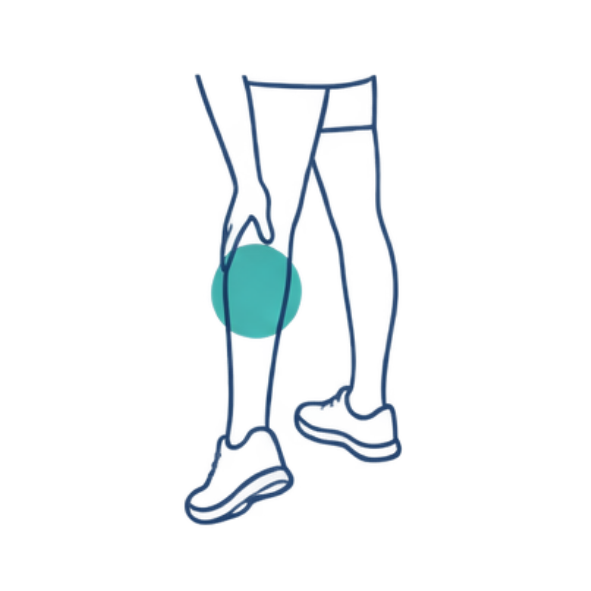
Lower Leg
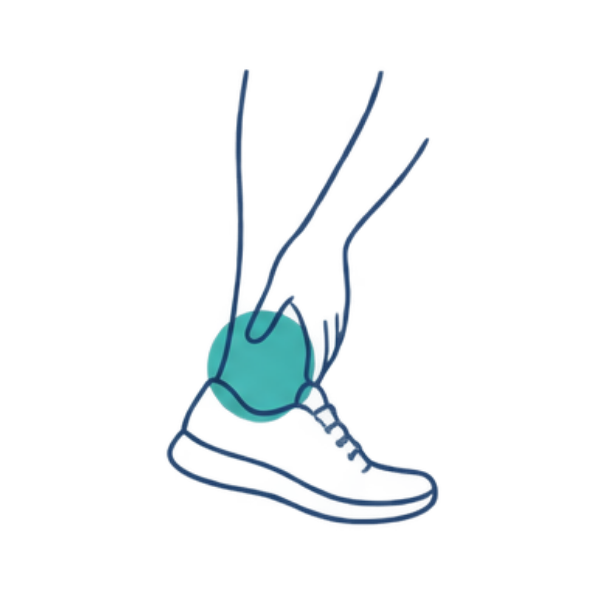
Ankle
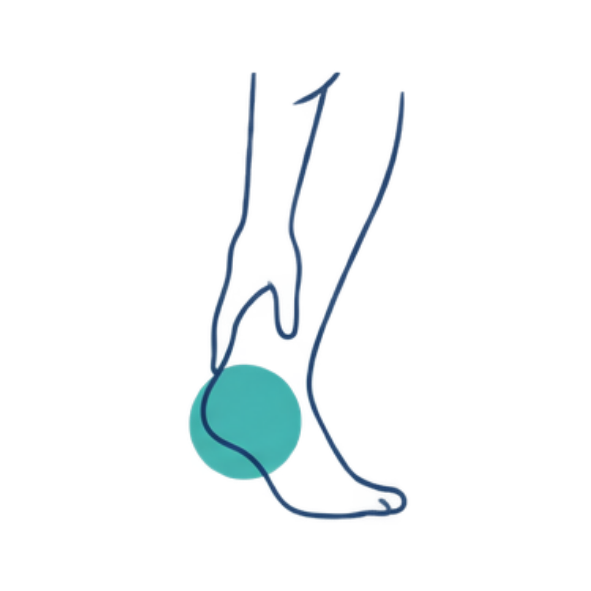
Foot
Jaw
Neck (Cervical Spine)
Common conditions we treat. Select any condition to read more.
-
Neck pain and stiffness are common conditions that can develop following poor posture, prolonged desk work, sleeping positions, injury or age-related changes. Symptoms may include difficulty turning the head, muscle tightness and pain during everyday activities. Physiotherapy focuses on identifying the underlying cause, reducing pain, restoring mobility and improving strength to help you return to normal function.
-
Whiplash is a neck injury caused by a sudden acceleration-deceleration force, most commonly following a motor vehicle accident, sporting injury or fall. It can result in neck pain, stiffness, headaches, dizziness and reduced movement. Physiotherapy provides evidence-based rehabilitation to reduce pain, restore neck mobility, improve strength and support a safe return to work, driving and daily activities.
-
Cervicogenic headaches originate from the joints, muscles or nerves of the neck and commonly cause pain that begins in the neck before spreading to the back, side or front of the head. They are often aggravated by prolonged postures or neck movement. Physiotherapy focuses on improving neck mobility, reducing muscle tension, restoring normal movement and addressing the underlying cause of the headaches.
-
Facet joint irritation occurs when the small joints at the back of the neck become inflamed or irritated due to injury, repetitive movements or age-related changes. It commonly causes localised neck pain, stiffness and discomfort with turning or extending the neck. Physiotherapy aims to improve joint mobility, reduce pain, restore movement and strengthen the muscles supporting the cervical spine.
-
Cervical disc injuries occur when one of the discs between the vertebrae in the neck becomes irritated, bulges or herniates. This may cause neck pain and, in some cases, symptoms that travel into the shoulder, arm or hand. Physiotherapy provides evidence-based treatment to reduce pain, improve neck mobility, strengthen the supporting muscles and restore normal function.
-
Cervical radiculopathy occurs when a nerve in the neck becomes compressed or irritated, resulting in pain, pins and needles, numbness or weakness that may travel into the shoulder, arm or hand. Physiotherapy helps reduce pressure on the affected nerve, restore neck mobility, improve strength and guide a safe return to work, sport and everyday activities.
-
Postural neck pain develops when prolonged sitting, computer work, driving or repetitive positions place excessive stress on the muscles and joints of the neck. It often presents as aching, stiffness and muscle fatigue that worsens throughout the day. Physiotherapy focuses on improving posture, strengthening the neck and upper back muscles, restoring movement and providing practical strategies to prevent recurring symptoms.
-
Neck muscle strains occur when the muscles or soft tissues of the neck are overstretched or torn, commonly following sudden movements, lifting, sport or prolonged muscle overload. Symptoms may include pain, muscle spasm and restricted movement. Physiotherapy supports healing by reducing pain, restoring flexibility and strength, and helping you safely return to work, exercise and everyday activities.
Thoracic Spine
Common conditions we treat. Select any condition to read more.
-
Thoracic pain refers to pain in the upper and middle back, between the neck and lower back. It can result from muscle strain, joint irritation, poor posture, injury or prolonged sitting. Physiotherapy focuses on identifying the underlying cause, reducing pain, improving mobility and restoring normal movement to help you return to everyday activities comfortably.
-
Postural dysfunction develops when prolonged or repetitive positions place excessive stress on the muscles and joints of the spine. It commonly affects people who spend long hours sitting, driving or working at a desk and may cause stiffness, muscle fatigue and upper back pain. Physiotherapy helps improve posture, strengthen the supporting muscles, restore movement and provide practical strategies to reduce strain during daily activities.
-
Rib joint dysfunction occurs when one or more of the joints connecting the ribs to the spine or breastbone become irritated or restricted. It can cause sharp pain with breathing, twisting, coughing or certain movements. Physiotherapy aims to restore normal joint movement, reduce muscle tension, relieve pain and improve thoracic mobility.
-
Costovertebral joint pain involves irritation of the joints where the ribs attach to the thoracic spine. This can lead to localised pain in the upper or middle back that may worsen with deep breathing, twisting or lifting. Physiotherapy focuses on improving joint mobility, reducing pain, restoring movement and addressing the factors contributing to the condition.
-
Thoracic stiffness refers to reduced mobility through the middle portion of the spine, often caused by prolonged sitting, poor posture, injury or age-related changes. Limited movement in this area can contribute to neck, shoulder and lower back pain. Physiotherapy helps restore spinal mobility, improve flexibility, strengthen supporting muscles and promote more efficient movement patterns.
-
Muscle strains of the upper and middle back occur when the muscles are overstretched or torn, commonly following lifting, sudden movements, sporting activities or prolonged poor posture. Symptoms may include pain, muscle spasm and restricted movement. Physiotherapy supports healing by reducing pain, restoring flexibility and strength, and guiding a safe return to work, exercise and everyday activities.
-
Thoracic outlet-related symptoms occur when the nerves or blood vessels travelling between the neck and arm become compressed as they pass through the shoulder region. This may cause pain, numbness, tingling, weakness or heaviness in the shoulder, arm or hand. Physiotherapy aims to identify the source of compression, improve posture and movement, restore flexibility and strength, and reduce pressure on the affected structures to improve function and relieve symptoms.
Lumbar Spine
Common conditions we treat. Select any condition to read more.
-
Acute lower back pain is a common condition that develops suddenly, often following lifting, bending, twisting or prolonged activity. Symptoms can range from mild discomfort to significant pain and reduced movement. Physiotherapy helps identify the underlying cause, reduce pain, restore mobility and guide a safe return to work, exercise and everyday activities.
-
Persistent lower back pain refers to back pain that continues for longer than three months or recurs frequently. It is often influenced by a combination of physical, lifestyle and psychosocial factors. Physiotherapy focuses on identifying the drivers of ongoing pain, improving movement and strength, increasing confidence with activity and developing long-term strategies to improve function and quality of life.
-
Lumbar disc injuries occur when one of the discs between the vertebrae in the lower back becomes irritated, bulges or herniates. This can cause local back pain and, in some cases, symptoms that travel into the buttock or leg. Physiotherapy provides evidence-based treatment to reduce pain, improve spinal movement, strengthen the supporting muscles and help you safely return to normal activities.
-
Sciatica refers to pain caused by irritation or compression of the sciatic nerve, resulting in symptoms that commonly travel from the lower back into the buttock and down the leg. It may also cause numbness, tingling or weakness. Physiotherapy focuses on identifying the underlying cause, reducing nerve irritation, restoring movement and strength, and helping you return to normal daily activities.
-
Lumbar radiculopathy occurs when a nerve in the lower back becomes irritated or compressed, resulting in pain, numbness, tingling or weakness that travels into the buttock, leg or foot. Physiotherapy helps reduce nerve irritation, improve spinal mobility, strengthen the supporting muscles and guide a safe return to work, sport and everyday activities.
-
Facet joint pain occurs when the small joints at the back of the spine become irritated or inflamed, often due to injury, repetitive loading or age-related changes. It commonly causes localised lower back pain and stiffness that may worsen with bending backwards or prolonged standing. Physiotherapy helps improve spinal mobility, reduce pain, strengthen the surrounding muscles and restore normal movement.
-
Sacroiliac (SI) joint dysfunction occurs when the joints connecting the spine to the pelvis become irritated or do not move optimally, leading to pain in the lower back, buttocks or upper leg. Symptoms are often aggravated by walking, standing or changing positions. Physiotherapy focuses on improving pelvic stability, restoring movement, reducing pain and helping you return to everyday activities.
-
Degenerative spinal conditions refer to age-related changes affecting the discs, joints and surrounding structures of the spine, including disc degeneration, spinal osteoarthritis and spondylosis. These changes can contribute to pain, stiffness and reduced mobility but do not always cause symptoms. Physiotherapy helps manage pain, improve flexibility, strengthen the muscles supporting the spine and maintain long-term function and independence.
-
Mechanical back pain is the most common type of lower back pain and is related to the muscles, joints, ligaments or discs of the spine rather than serious underlying disease. Symptoms are typically influenced by movement or posture and often improve with appropriate activity. Physiotherapy aims to identify the contributing factors, reduce pain, improve movement and strength, and provide strategies to help prevent future episodes.
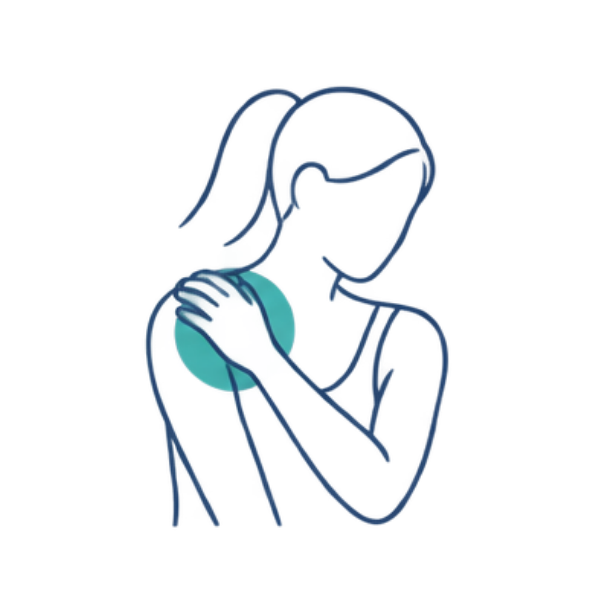
Shoulder
Common conditions we treat. Select any condition to read more.
-
Rotator cuff tears occur when one or more of the tendons surrounding the shoulder become partially or completely torn. These injuries can develop gradually through degeneration or suddenly following trauma, often causing pain, weakness and difficulty lifting the arm. Physiotherapy focuses on restoring shoulder strength, improving movement, reducing pain and guiding both non-surgical and post-surgical recovery.
-
Rotator cuff tendinopathy is one of the most common causes of shoulder pain and occurs when the rotator cuff tendons become overloaded or irritated. Symptoms often include pain when reaching overhead, lifting or sleeping on the affected shoulder. Physiotherapy uses evidence-based strengthening, load management and hands-on treatment to improve tendon health, reduce pain and restore shoulder function.
-
Shoulder impingement occurs when the tendons or bursa within the shoulder become compressed during movement, resulting in pain, particularly with overhead activities. It is commonly associated with rotator cuff dysfunction and altered shoulder mechanics. Physiotherapy aims to improve shoulder movement, restore strength, reduce irritation and help you return to everyday activities without pain.
-
Frozen shoulder, also known as adhesive capsulitis, is a condition where the shoulder joint becomes painful and progressively stiff due to tightening of the joint capsule. It can significantly limit everyday activities such as dressing, reaching and sleeping. Physiotherapy helps manage pain, maintain movement where appropriate and progressively restore shoulder mobility and function throughout the stages of recovery.
-
Shoulder instability occurs when the shoulder joint is unable to remain securely positioned during movement, leading to pain, weakness or the sensation that the shoulder may "slip out". It may develop following injury or due to naturally increased joint laxity. Physiotherapy focuses on strengthening the muscles that stabilise the shoulder, improving movement control and reducing the risk of further instability.
-
Recurrent shoulder dislocations occur when the shoulder repeatedly comes out of joint following an initial injury or because of underlying instability. Repeated dislocations can lead to ongoing pain, weakness and damage to the surrounding structures. Physiotherapy aims to improve shoulder stability, rebuild strength, restore confidence and reduce the likelihood of future dislocations while supporting recovery before or after surgery if required.
-
Shoulder bursitis is the irritation or inflammation of the bursa, a small fluid-filled sac that cushions the shoulder structures during movement. It commonly causes pain when lifting the arm, reaching overhead or lying on the affected side. Physiotherapy focuses on reducing irritation, improving shoulder mechanics, strengthening the surrounding muscles and addressing the underlying cause of the condition.
-
The shoulder labrum is a ring of cartilage that helps stabilise the shoulder joint. Labral injuries, including SLAP (Superior Labrum Anterior to Posterior) tears, can occur following trauma, repetitive overhead activities or shoulder dislocations. Symptoms may include pain, clicking, catching or feelings of instability. Physiotherapy helps restore shoulder strength, improve movement control and guide rehabilitation following both conservative and surgical management.
-
Acromioclavicular (AC) joint injuries occur at the joint where the collarbone meets the shoulder blade and are commonly caused by falls onto the shoulder or sporting collisions. Injuries range from mild sprains to complete ligament tears. Physiotherapy helps reduce pain, restore shoulder movement, rebuild strength and safely return you to work, sport and everyday activities.
-
Biceps tendon injuries involve irritation, partial tearing or rupture of the tendon that connects the biceps muscle to the shoulder. They often cause pain at the front of the shoulder, weakness and discomfort with lifting or overhead activities. Physiotherapy focuses on reducing pain, restoring strength, improving shoulder function and supporting recovery with or without surgery.
-
Shoulder osteoarthritis is the gradual wear and degeneration of the cartilage within the shoulder joint, leading to pain, stiffness and reduced movement. It can make everyday activities such as reaching, dressing and lifting increasingly difficult. Physiotherapy helps improve joint mobility, strengthen the supporting muscles, reduce pain and maintain shoulder function for as long as possible.
-
Physiotherapy is essential following shoulder surgery, including rotator cuff repair, shoulder stabilisation, labral repair, fracture fixation or shoulder replacement. Rehabilitation follows evidence-based protocols specific to your procedure and stage of healing, focusing on restoring movement, rebuilding strength, reducing pain and helping you safely return to work, sport and everyday activities with the best possible outcome.
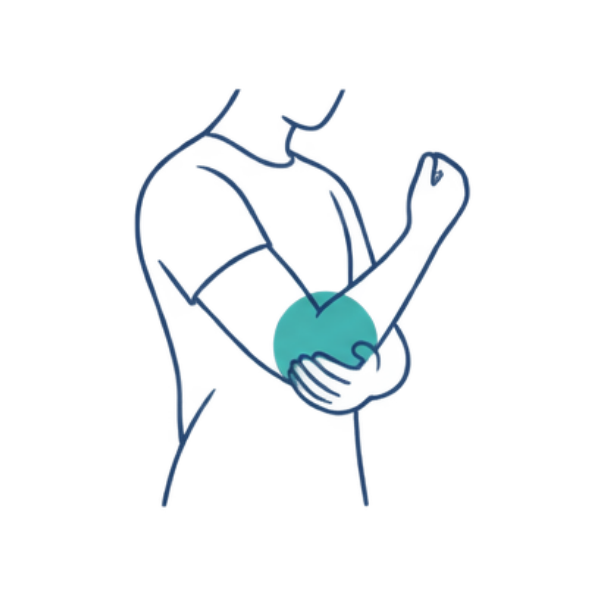
Elbow
Common conditions we treat. Select any condition to read more.
-
Tennis elbow, also known as lateral epicondylalgia, is an overuse injury affecting the tendons on the outside of the elbow. Despite its name, it commonly affects people who perform repetitive gripping, lifting or manual work, not just tennis players. Physiotherapy focuses on reducing pain, improving tendon strength, restoring arm function and helping you safely return to work, sport and everyday activities.
-
Golfer's elbow, or medial epicondylalgia, occurs when the tendons on the inside of the elbow become overloaded or irritated. It is often associated with repetitive gripping, lifting, throwing or wrist movements. Physiotherapy uses evidence-based strengthening programs, load management and manual therapy to improve tendon capacity, reduce pain and restore normal function.
-
Elbow ligament injuries occur when the ligaments stabilising the elbow are stretched or torn, often following trauma, falls or repetitive throwing activities. Symptoms may include pain, instability and reduced strength. Physiotherapy helps restore joint stability, rebuild strength, improve movement and guide a safe return to work, sport and daily activities.
-
Distal biceps injuries involve damage to the biceps tendon where it attaches near the elbow and can range from tendon irritation to partial or complete tears. These injuries often cause pain, weakness and difficulty lifting or rotating the forearm. Physiotherapy assists with both non-surgical and post-surgical rehabilitation by restoring strength, movement and upper limb function.
-
Triceps tendinopathy occurs when the tendon at the back of the elbow becomes irritated or overloaded, commonly due to repetitive pushing, lifting or weight training. Symptoms typically include pain during pushing movements and reduced strength. Physiotherapy focuses on progressive strengthening, load management and rehabilitation to improve tendon health and restore function.
-
Elbow stiffness may develop following injury, surgery, fractures or prolonged immobilisation, limiting the ability to fully bend or straighten the arm. Physiotherapy aims to restore joint mobility, improve flexibility, rebuild strength and help you regain normal function for work, sport and everyday activities.
-
Elbow osteoarthritis is the gradual degeneration of the cartilage within the elbow joint, leading to pain, stiffness and reduced movement. It is more common following previous injury or repetitive heavy use of the joint. Physiotherapy helps reduce pain, improve joint mobility, strengthen the surrounding muscles and maximise functional use of the arm.
-
Physiotherapy is an essential part of recovery following elbow surgery, including ligament reconstruction, tendon repair, fracture fixation or joint procedures. Rehabilitation follows evidence-based protocols to restore movement, rebuild strength, reduce pain and swelling, and safely return you to work, sport and everyday activities while protecting healing tissues.
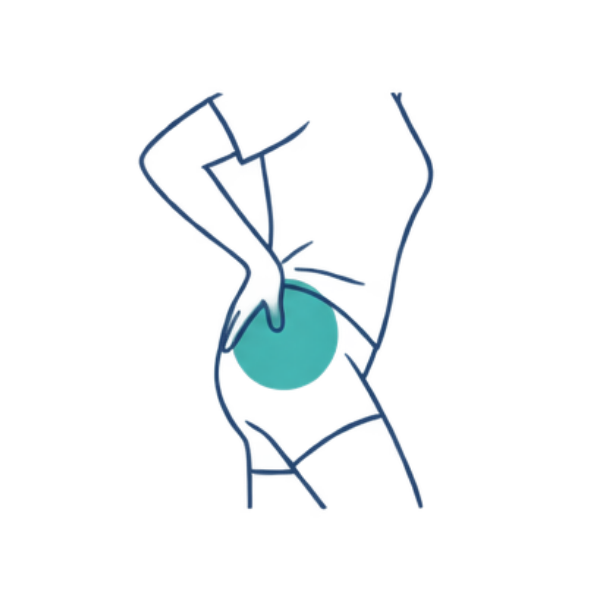
Hip
Common conditions we treat. Select any condition to read more.
-
Hip osteoarthritis is a common condition where the protective cartilage within the hip joint gradually wears down, leading to pain, stiffness and reduced mobility. Symptoms often make walking, climbing stairs and everyday activities more difficult. Physiotherapy is one of the most effective treatments for hip osteoarthritis, helping to reduce pain, improve strength and mobility, and maintain independence through personalised exercise and education.
-
Gluteal tendinopathy occurs when the tendons of the gluteal muscles become overloaded or irritated, causing pain on the outside of the hip. It commonly affects people who walk long distances, run or spend prolonged periods standing. Physiotherapy focuses on progressive strengthening, improving movement patterns and reducing tendon irritation to restore function and reduce pain.
-
Hip bursitis is the irritation or inflammation of the bursa located over the outside of the hip, often causing pain when walking, climbing stairs or lying on the affected side. Physiotherapy helps identify the underlying cause, reduce irritation, improve hip strength and mobility, and minimise the risk of recurring symptoms.
-
Femoroacetabular impingement (FAI) occurs when the shape of the hip joint causes abnormal contact between the ball and socket during movement. This can lead to hip pain, stiffness and reduced mobility, particularly during squatting, twisting or sporting activities. Physiotherapy aims to improve hip movement, strengthen the surrounding muscles, reduce symptoms and optimise hip function.
-
The hip labrum is a ring of cartilage that helps stabilise and cushion the hip joint. Tears or injuries to the labrum can cause hip pain, clicking, locking or a feeling of instability. Physiotherapy focuses on improving hip strength, movement control and joint function while reducing pain and helping individuals return safely to everyday activities, work and sport.
-
Groin pain can arise from muscles, tendons, joints or other structures around the hip and pelvis, and is commonly seen in athletes and active individuals. Physiotherapy involves a comprehensive assessment to identify the underlying cause and develop an individualised rehabilitation program aimed at reducing pain, restoring strength and mobility, and preventing recurrence.
-
Hip flexor strains occur when one or more of the muscles at the front of the hip are overstretched or torn, often during sprinting, kicking or sudden changes in direction. Symptoms may include pain, weakness and difficulty lifting the leg. Physiotherapy supports healing by restoring flexibility, rebuilding strength and guiding a safe return to sport and daily activities.
-
Hamstring origin injuries affect the upper attachment of the hamstring muscles near the sitting bone and can result from sudden acceleration, high-speed running or repetitive overload. These injuries often cause pain in the buttock or upper thigh, particularly during sitting or exercise. Physiotherapy focuses on progressive strengthening, improving flexibility and restoring function to reduce pain and minimise the risk of re-injury.
-
Physiotherapy is a vital part of recovery following a total or partial hip replacement. Rehabilitation focuses on reducing pain, restoring hip movement, rebuilding strength, improving walking and balance, and helping you safely return to everyday activities, work and recreation. Our goal is to maximise your independence and achieve the best possible long-term outcome following surgery.
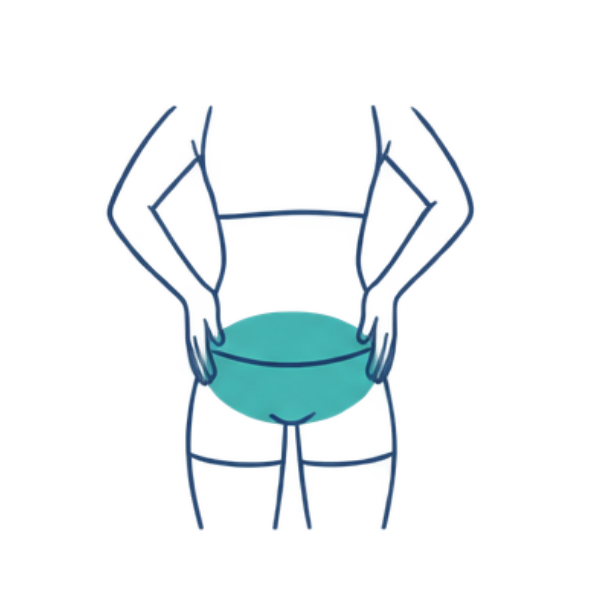
Pelvis
Common conditions we treat. Select any condition to read more.
-
Sacroiliac (SI) joint pain occurs when the joints connecting the spine to the pelvis become irritated or inflamed, often causing pain in the lower back, buttocks or upper leg. Symptoms may worsen with walking, standing or changing positions. Physiotherapy helps identify the source of pain, improve pelvic stability, restore movement and reduce discomfort through targeted rehabilitation.
-
Pelvic instability occurs when the muscles and ligaments supporting the pelvis are unable to provide adequate stability during movement. It may develop following injury, pregnancy, surgery or repetitive strain, resulting in pain and difficulty with everyday activities. Physiotherapy focuses on improving core and pelvic muscle strength, restoring stability and helping you return to normal function with confidence.
-
Pregnancy-related pelvic pain is a common condition caused by hormonal changes, altered biomechanics and increased stress on the pelvis during pregnancy. It can affect walking, turning in bed, climbing stairs and daily activities. Physiotherapy provides safe, evidence-based treatment to reduce pain, improve pelvic stability and help you remain active and comfortable throughout your pregnancy.
-
Pelvic girdle pain refers to pain affecting the joints and muscles around the pelvis, including the sacroiliac joints and pubic symphysis. It commonly occurs during pregnancy but can also develop following injury or changes in movement patterns. Physiotherapy aims to improve pelvic stability, reduce pain, restore movement and provide strategies to support everyday activities.
-
Pelvic floor dysfunction occurs when the muscles of the pelvic floor are not functioning optimally, which may contribute to urinary incontinence, bowel symptoms, pelvic pain, pelvic organ prolapse or reduced core stability. Physiotherapy provides comprehensive assessment and individualised rehabilitation to improve pelvic floor muscle function, reduce symptoms and restore confidence in everyday life, exercise and sport.
-
Following childbirth, the body undergoes significant physical changes that can affect strength, pelvic floor function, abdominal muscles and overall mobility. Post-partum physiotherapy supports recovery by restoring core strength, improving pelvic floor function, addressing pain or movement concerns and helping new mothers safely return to exercise, work and everyday activities.
Knee
Common conditions we treat. Select any condition to read more.
-
Knee osteoarthritis is a common condition where the protective cartilage within the knee gradually wears down, leading to pain, stiffness and reduced mobility. Physiotherapy is one of the most effective treatments for knee osteoarthritis, helping to reduce pain, improve strength and movement, and maintain independence through personalised exercise and education.
-
The menisci are two cartilage cushions within the knee that help absorb shock and improve joint stability. Meniscal injuries can occur through twisting movements, sport or age-related degeneration, causing pain, swelling, locking or difficulty bending the knee. Physiotherapy helps restore movement, strengthen the supporting muscles and guide a safe return to everyday activities, work and sport.
-
An anterior cruciate ligament (ACL) injury is a significant knee injury commonly sustained during pivoting, landing or sudden changes in direction. It can result in pain, swelling and a feeling of instability. Physiotherapy plays a vital role in both non-surgical and post-surgical management, focusing on restoring strength, stability, confidence and a safe return to sport and activity.
-
The posterior cruciate ligament (PCL) helps prevent the shin bone from moving too far backwards within the knee. PCL injuries often occur following direct impact to the front of the knee or high-force trauma. Physiotherapy aims to restore knee stability, rebuild strength, improve movement patterns and safely return you to work, sport and daily activities.
-
The medial collateral ligament (MCL) supports the inside of the knee and is commonly injured through twisting movements or direct impact. Symptoms may include pain, swelling and instability along the inner knee. Physiotherapy helps protect healing tissues, restore knee stability, improve strength and facilitate a safe return to normal activity.
-
The lateral collateral ligament (LCL) provides stability to the outside of the knee and is less commonly injured than other knee ligaments. LCL injuries may occur during sporting activities or trauma involving a force to the inside of the knee. Physiotherapy focuses on restoring strength, stability, balance and functional movement while reducing the risk of ongoing instability.
-
Patellofemoral pain, often referred to as "runner's knee", causes pain around or behind the kneecap, particularly during stairs, squatting, running or prolonged sitting. Physiotherapy identifies the contributing factors, improves lower limb strength and movement patterns, and helps reduce pain while restoring normal knee function.
-
Patellar tendinopathy, commonly known as "jumper's knee", is an overuse injury affecting the tendon below the kneecap. It is common in sports involving jumping, running and rapid changes in direction. Physiotherapy uses progressive loading programs and strength training to improve tendon capacity, reduce pain and safely return you to sport and physical activity.
-
Quadriceps tendinopathy occurs when the tendon connecting the quadriceps muscles to the kneecap becomes irritated through repetitive loading. It often causes pain above the kneecap during jumping, running or squatting. Physiotherapy focuses on progressive strengthening, load management and improving movement mechanics to promote tendon healing and restore function.
-
ITB syndrome is a common overuse condition that causes pain on the outside of the knee, particularly in runners and cyclists. It develops when the iliotibial band becomes irritated due to repetitive movement or altered biomechanics. Physiotherapy addresses the underlying causes through strength training, movement retraining, flexibility exercises and gradual return to activity.
-
A Baker's cyst is a fluid-filled swelling that develops behind the knee, often as a result of underlying knee conditions such as arthritis or meniscal injuries. It can cause tightness, swelling and discomfort when bending or straightening the knee. Physiotherapy focuses on treating the underlying cause, improving knee function and reducing symptoms.
-
Following knee surgery, physiotherapy is essential to restore movement, rebuild strength and achieve the best possible functional outcome. Whether recovering from ligament reconstruction, meniscal surgery, cartilage procedures or fracture fixation, rehabilitation follows evidence-based protocols tailored to your procedure and recovery goals.
-
Physiotherapy is a critical part of recovery following a total knee replacement. Rehabilitation focuses on reducing pain and swelling, restoring knee movement, rebuilding strength, improving walking ability and helping you return to everyday activities with confidence. Our goal is to maximise your function, independence and long-term outcome following surgery.
Lower Leg
Common conditions we treat. Select any condition to read more.
-
Shin splints, also known as medial tibial stress syndrome, are a common overuse injury that causes pain along the inside of the shinbone. They frequently occur in runners, athletes and individuals who have recently increased their activity levels. Physiotherapy helps identify the underlying causes, improve strength and running mechanics, manage training loads and reduce the risk of progression to more serious bone stress injuries.
-
A stress reaction is an early bone stress injury that develops when repetitive loading exceeds the bone's ability to recover. If left untreated, it can progress to a stress fracture. Physiotherapy plays an important role in early diagnosis, activity modification, graduated rehabilitation and addressing the contributing factors to allow safe healing and prevent recurrence.
-
Stress fractures are small cracks within a bone caused by repetitive loading rather than a single traumatic event. They commonly affect the shin, foot and lower leg in runners, athletes and physically active individuals. Physiotherapy guides recovery through activity modification, progressive rehabilitation, strength training and a structured return-to-sport or return-to-work program while addressing the underlying causes of the injury.
-
Calf strains occur when one or more of the calf muscles are overstretched or torn, often during running, jumping or sudden acceleration. Symptoms typically include pain, swelling, bruising and difficulty walking or pushing off the foot. Physiotherapy helps promote optimal healing, restore strength and flexibility, and safely return you to work, sport and everyday activities while reducing the risk of re-injury.
-
Achilles tendinopathy is an overuse injury affecting the Achilles tendon, causing pain, stiffness and reduced function, particularly during walking, running or jumping. Symptoms are often worse in the morning or after periods of inactivity. Physiotherapy uses evidence-based progressive loading programs, strengthening exercises and movement retraining to improve tendon health, reduce pain and restore long-term function.
-
Compartment syndrome occurs when pressure builds within the muscles of the lower leg, reducing blood flow and affecting muscle and nerve function. Some people require surgery to relieve this pressure, while others may experience chronic exertional symptoms managed through rehabilitation. Physiotherapy supports recovery by restoring mobility, rebuilding strength, improving lower limb biomechanics and guiding a safe return to work, exercise and sport following medical or surgical management.
Ankle
Common conditions we treat. Select any condition to read more.
-
Ankle sprains are one of the most common musculoskeletal injuries and occur when the ligaments supporting the ankle are stretched or torn, often following a twisting injury. Symptoms may include pain, swelling, bruising and difficulty walking. Physiotherapy helps restore strength, balance and stability while reducing the risk of recurrent ankle sprains and long-term instability.
-
Chronic ankle instability develops when the ankle repeatedly "gives way" following previous sprains, often due to reduced ligament support, muscle weakness or impaired balance. Physiotherapy focuses on improving strength, proprioception, joint stability and movement control to restore confidence and reduce the likelihood of future injuries.
-
Achilles tendon injuries range from tendon overload (Achilles tendinopathy) to partial or complete tendon tears. These conditions commonly cause pain at the back of the heel during walking, running or jumping activities. Physiotherapy uses progressive loading programs, strength training and rehabilitation to improve tendon health, reduce pain and support a safe return to activity.
-
Peroneal tendinopathy occurs when the tendons running along the outside of the ankle become irritated or overloaded. It commonly affects runners, athletes and individuals with recurrent ankle sprains. Physiotherapy aims to reduce tendon irritation, improve ankle stability, strengthen the surrounding muscles and correct movement patterns that may contribute to ongoing symptoms.
-
Ankle impingement occurs when soft tissue or bone becomes compressed within the ankle joint during movement, often following previous ankle injuries. This can result in pain, stiffness and restricted movement, particularly when bending the ankle. Physiotherapy helps restore joint mobility, reduce inflammation, improve movement patterns and return you to everyday activities or sport.
-
Ankle arthritis is the gradual degeneration of the ankle joint, leading to pain, stiffness, swelling and reduced mobility. It may develop following previous injuries or as part of the ageing process. Physiotherapy helps manage symptoms through strengthening, mobility exercises, balance training and education to improve function and maintain an active lifestyle.
-
A syndesmosis injury, commonly known as a "high ankle sprain", involves damage to the ligaments connecting the tibia and fibula above the ankle. These injuries are often more severe than a typical ankle sprain and may require a longer rehabilitation period. Physiotherapy guides recovery by restoring mobility, rebuilding strength and stability, and ensuring a safe return to work, sport and everyday activities.
Foot
Common conditions we treat. Select any condition to read more.
-
Plantar fasciopathy is one of the most common causes of heel pain and occurs when the plantar fascia — a thick band of tissue supporting the arch of the foot — becomes irritated or overloaded. Pain is often worse with the first few steps in the morning or after periods of rest. Physiotherapy focuses on reducing pain, improving foot strength and flexibility, addressing contributing factors and guiding a gradual return to normal activity.
-
Heel pain can result from a range of conditions including plantar fasciopathy, fat pad syndrome, Achilles tendinopathy or nerve irritation. A thorough physiotherapy assessment helps identify the underlying cause, allowing treatment to target the source of pain while restoring normal walking, exercise and everyday function.
-
Flat feet occur when the arches of the feet are lower than usual, which can alter lower limb biomechanics and contribute to foot, ankle, knee or hip pain. Physiotherapy aims to improve foot strength, optimise movement patterns, prescribe appropriate exercises and provide advice on footwear or orthotics where indicated.
-
High-arched feet (pes cavus) can place increased pressure on certain areas of the foot, leading to pain, instability and a higher risk of overuse injuries. Physiotherapy focuses on improving foot mobility, strengthening supporting muscles, enhancing balance and recommending appropriate footwear or orthotic management when required.
-
Morton's neuroma is an irritation or thickening of the nerve between the toes, most commonly between the third and fourth toes. It often causes burning pain, tingling or the sensation of standing on a small pebble. Physiotherapy helps reduce pressure on the affected nerve through activity modification, footwear advice, manual therapy and rehabilitation to improve foot function.
-
Metatarsalgia refers to pain beneath the ball of the foot, often caused by excessive pressure, overuse or altered foot mechanics. Symptoms commonly worsen with prolonged standing, walking or running. Physiotherapy aims to identify the underlying cause, reduce loading on the affected area and improve strength, flexibility and walking mechanics.
-
Toe injuries can include sprains, fractures, dislocations, tendon injuries and turf toe, often resulting from sport, falls or direct impact. Physiotherapy assists with pain management, restoring movement, rebuilding strength and ensuring a safe return to normal activities while reducing the risk of long-term stiffness or dysfunction.
-
Bunions are a progressive deformity affecting the joint at the base of the big toe, which can lead to pain, swelling and difficulty with footwear. While physiotherapy cannot reverse the bony deformity, it can help reduce pain, improve joint mobility, strengthen the surrounding muscles and provide advice on footwear, activity modification and conservative management.
-
Midfoot arthritis occurs when the joints in the middle of the foot become worn or inflamed, leading to pain, stiffness and difficulty walking. Physiotherapy helps improve mobility, strengthen the supporting muscles of the foot and ankle, reduce pain and optimise function through targeted rehabilitation and education.
-
Tibialis posterior dysfunction occurs when the tibialis posterior tendon becomes weakened or injured, reducing its ability to support the arch of the foot. This may result in pain along the inside of the ankle, progressive flattening of the foot and difficulty walking. Physiotherapy focuses on strengthening the tendon and surrounding muscles, improving foot mechanics and slowing progression of the condition.
-
Stress fractures are small cracks in a bone caused by repetitive loading rather than a single traumatic injury. They commonly affect the foot, ankle and lower leg in runners, athletes and physically active individuals. Physiotherapy plays an important role in guiding safe recovery through activity modification, graduated rehabilitation, strength training and return-to-sport or return-to-work programs while addressing the factors that contributed to the injury.
Jaw
Common conditions we treat. Select any condition to read more.
-
Jaw pain can develop from injury, muscle tension, joint irritation or problems with the temporomandibular joint (TMJ). Symptoms may include discomfort while chewing, talking or opening the mouth. Physiotherapy aims to identify the underlying cause, reduce pain, improve jaw movement and restore normal function.
-
Temporomandibular joint (TMJ) dysfunction refers to a group of conditions affecting the jaw joint and surrounding muscles. It can cause pain, stiffness, difficulty chewing, headaches and reduced jaw movement. Physiotherapy provides evidence-based treatment to improve joint mobility, reduce muscle tension, restore normal movement and improve everyday function.
-
Jaw clicking or popping occurs when the structures within the jaw joint do not move smoothly during opening and closing of the mouth. While some clicking is painless and harmless, persistent clicking accompanied by pain, locking or reduced movement may indicate TMJ dysfunction. Physiotherapy assesses the cause of the clicking and provides treatment to improve jaw mechanics, reduce symptoms and prevent progression.
-
Jaw locking occurs when the jaw becomes difficult or impossible to fully open or close, often due to problems within the temporomandibular joint. It can interfere with eating, speaking and daily activities. Physiotherapy aims to restore jaw mobility, improve joint function, reduce pain and decrease the likelihood of recurrent locking episodes.
-
Problems with the jaw joint and surrounding muscles can contribute to headaches, facial pain and tension around the temples. TMJ-related headaches are often associated with jaw clenching, chewing or prolonged talking. Physiotherapy addresses the underlying dysfunction through hands-on treatment, targeted exercises and education to help reduce headache frequency and improve jaw function.
-
Bruxism is the involuntary clenching or grinding of the teeth, which commonly occurs during sleep but can also happen during the day. Over time, it can contribute to jaw pain, headaches, muscle tightness and TMJ dysfunction. Physiotherapy focuses on reducing muscle tension, improving jaw mechanics, addressing contributing factors and providing strategies to help minimise symptoms alongside appropriate dental management where required.