

Occupational Health
Work Right
Early Intervention
Manual Handling
Ergonomics
Onsite Physio
Pre-employment Screening
Drug & Alcohol Testing
Return to Work
Workplace Assessments
Employer Memberships
Types of Treatment
At Move Right Physiotherapy and Allied Health, we believe no single treatment works for every person or every condition. That's why our physiotherapists tailor your management plan based on your individual assessment, goals, lifestyle and the latest evidence.
Our treatments are designed not only to reduce pain but also to restore movement, improve strength, build confidence and reduce the likelihood of future injury. Often, the best outcomes are achieved by combining several treatment approaches rather than relying on one treatment alone.
Manual Therapy
-
Joint mobilisation
Joint manipulation (where appropriate)
Passive stretching
Movement facilitation techniques
-
Neck pain
Back pain
Shoulder injuries
Hip and knee stiffness
Sports injuries
Post-operative rehabilitation
Acute joint pain
-
Manual therapy can temporarily reduce pain by influencing the nervous system (known as pain modulation), improve joint mobility, reduce muscle guarding and allow patients to move more comfortably during rehabilitation exercises.
Manual therapy involves skilled, hands-on techniques used by your physiotherapist to improve joint movement, reduce muscle tension and assist with pain relief. It is often used alongside exercise rehabilitation to help restore normal movement patterns and improve function.
Dry Needling
Dry needling uses fine, sterile needles inserted into specific muscles or trigger points to reduce muscle tension and assist with pain management.
-
Muscle tightness
Trigger points
Sporting injuries
Neck pain
Back pain
Headaches
Shoulder pain
Dry needling is not acupuncture. It is based on modern anatomical and musculoskeletal principles and is used alongside exercise rehabilitation, not instead of it.
Exercise Rehabilitation
Exercise is one of the most effective treatments available for many musculoskeletal conditions and forms the foundation of long-term recovery.
Every exercise program is individually prescribed based on your condition, goals and current level of function.
-
Improving mobility
Building strength
Improving flexibility
Reducing pain
Restoring movement patterns
Improving endurance
Returning to daily activities
Exercise is used for almost every condition we treat because it helps build lasting improvements rather than providing only temporary symptom relief.
Soft Tissue Therapy
-
Soft tissue massage
Trigger point therapy
Myofascial release
Deep tissue techniques
Commonly used for:
Muscle tightness
Sporting injuries
Tendinopathies
Neck and back pain
Overuse injuries
Recovery following exercise
Soft tissue therapy is often used to prepare tissues for movement and exercise rather than as a standalone treatment.
-
Joint mobilisation involves gentle, controlled movements performed by your physiotherapist to improve joint motion and reduce stiffness.
Unlike manipulation, joint mobilisation uses slow, repetitive movements within the joint's natural range.
-
Frozen shoulder
Osteoarthritis
Neck stiffness
Back pain
Post-operative rehabilitation
Ankle stiffness
Shoulder dysfunction
Improving joint mobility often allows muscles to work more effectively and makes rehabilitation exercises easier to perform.
Soft tissue therapy focuses on muscles, tendons, ligaments and connective tissues to improve flexibility, reduce muscle tension and improve movement quality.
Taping
Taping provides temporary support to joints and muscles while allowing movement.
-
Reduce discomfort during activity
Improve confidence
Support healing tissues
Assist return to sport
Improve proprioception (body awareness)
Taping is intended as a short-term adjunct to rehabilitation rather than a permanent solution.
Vestibular Rehabilitation
Vestibular rehabilitation is a specialised exercise program designed to treat dizziness, vertigo and balance disorders.
-
Gaze stability exercises
Balance retraining
Vestibular adaptation exercises
Canal repositioning manoeuvres
Functional mobility training
-
BPPV
Vestibular neuritis
Persistent dizziness
Balance disorders
Post-concussion symptoms
Hydrotherapy
Hydrotherapy uses the natural properties of warm water to assist rehabilitation.
The buoyancy of water reduces the load placed on joints, allowing people to move more comfortably while improving strength, mobility and cardiovascular fitness.
-
Osteoarthritis
Persistent pain
Joint replacements
Neurological rehabilitation
Reduced weight-bearing tolerance
Return to Work Rehabilitation
Our return-to-work programs help individuals safely resume their occupational duties following injury or surgery.
-
Functional strengthening
Work-specific conditioning
Manual handling retraining
Job simulation
Functional capacity progression
Collaboration with employers and insurers
The goal is to restore confidence and ensure you can safely meet the physical demands of your role.
Return to Sport Rehabilitation
Returning to sport requires more than simply becoming pain-free.
-
Strength
Speed
Power
Agility
Endurance
Confidence
Sport-specific skills
We aim to reduce the risk of re-injury while helping you return to training and competition safely.
Balance Training & Falls Prevention
Balance training aims to improve stability, confidence and independence while reducing the risk of falls.
-
Static balance
Dynamic balance
Walking activities
Functional strengthening
Dual-task training
Falls education
-
Older adults
Neurological conditions
Vestibular disorders
Following surgery
People with a history of falls
Understanding Pain Relief & Pain Modulation
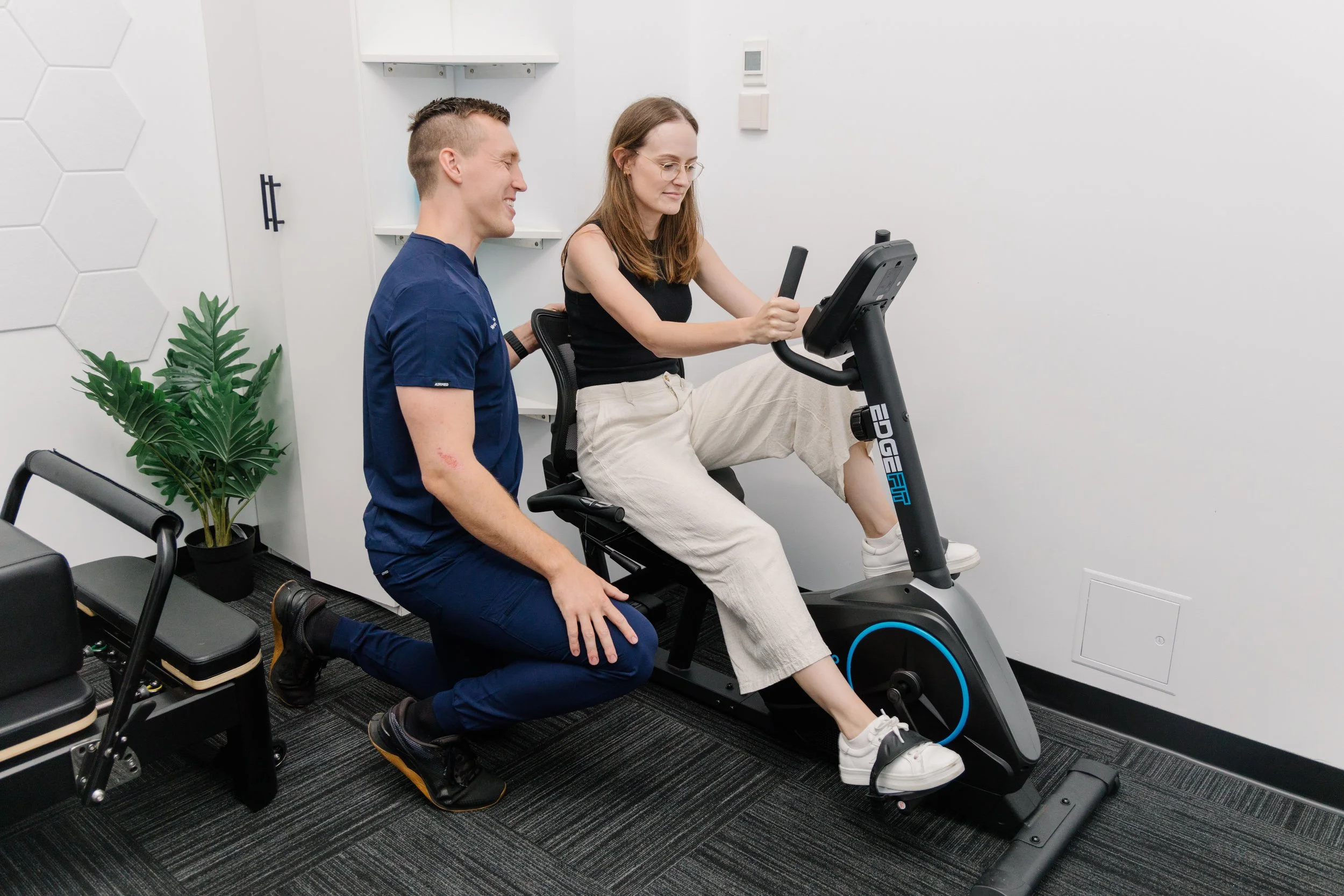
Many of our treatments, including manual therapy, dry needling, joint mobilisation and soft tissue therapy, can provide short-term pain relief by influencing how your nervous system processes pain. This is known as pain modulation.
Rather than "putting joints back into place" or "breaking down scar tissue," these treatments help calm sensitive tissues, reduce muscle guarding, improve movement,a nd create a window of opportunity where you can move more comfortably. This allows us to introduce exercises and functional rehabilitation that produce longer-term improvements.
For most musculoskeletal conditions, lasting recovery comes from combining temporary symptom relief with progressive strengthening, movement retraining, and education.
Is It Normal to Feel Sore After Treatment?
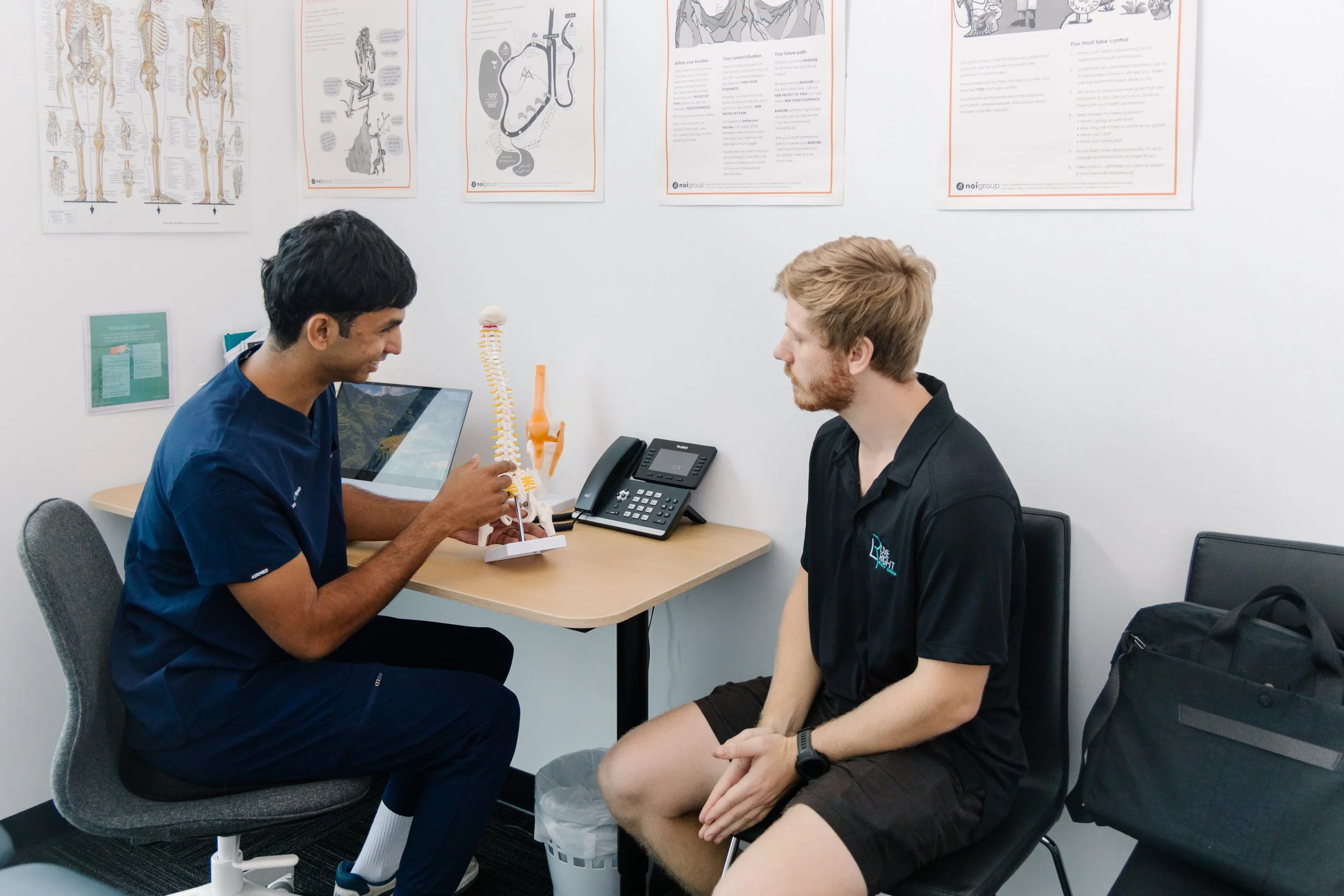
Some people experience mild soreness for 24–48 hours following physiotherapy, particularly after manual therapy, dry needling, soft tissue techniques or starting a new exercise program.
This is generally a normal response as your muscles, joints and nervous system adapt to the treatment and increased movement. It can feel similar to the muscle soreness experienced after beginning a new gym program.
Post-treatment soreness is typically mild, temporary and settles within a day or two. Gentle movement, staying hydrated and following your physiotherapist's advice usually helps symptoms resolve.
If you experience severe pain, significant swelling or symptoms that continue to worsen, we encourage you to contact your physiotherapist so your recovery can be reviewed and your treatment plan adjusted if required.